DarkOrbit: A Deep Dive into the Legendary Space MMO

In the vast universe of online gaming, few titles have managed to sustain player interest for decades. One such game is DarkOrbit, a browser-based massively multiplayer online game (MMO) developed by Bigpoint Games, a German game studio, and launched in 2006. Set in a futuristic space environment, DarkOrbit combines elements of action, strategy, and role-playing to deliver a compelling sci-fi experience. Despite being more than a decade old, DarkOrbit continues to attract a dedicated player base worldwide, thanks to its unique gameplay mechanics, large-scale battles, and community-driven events.
The Core Concept of DarkOrbit
At its heart, DarkOrbit is about space exploration, combat, and resource management. Players take on the role of pilots commanding futuristic spacecraft, engaging in battles with alien forces, rival factions, and other players. The game’s universe is divided into multiple sectors, each with its own challenges, resources, and enemies. Players navigate this galaxy using a combination of strategy, reflexes, and teamwork.
The primary objective in DarkOrbit is to gain experience, accumulate resources, upgrade ships, and dominate in player-versus-player (PvP) and player-versus-environment (PvE) encounters. Unlike many modern MMOs that require high-end hardware, DarkOrbit is browser-based, meaning it can run on modest systems without installation of heavy client software. This accessibility has helped it maintain relevance in the online gaming community.
Factions and Alliances
One of the defining features of DarkOrbit is its faction system. Players align themselves with one of three mega-corporations:
- Earth Industries Corporation (EIC) – Focused on technological superiority and advanced weaponry.
- Venus Resources Unlimited (VRU) – Known for resource gathering, trade, and cunning strategies.
- Mars Mining Corporation (MMC) – Specialists in aggressive combat and expansion tactics.
Each faction has unique ships, missions, and strategic advantages. Choosing a faction is not merely cosmetic; it defines the player’s alliances, access to resources, and PvP dynamics. Over time, players often form alliances within their faction, pooling resources, coordinating attacks, and defending sectors from rival factions. The politics of alliances adds a layer of strategic depth, encouraging teamwork and long-term planning.
Gameplay Mechanics
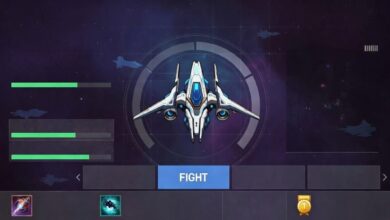
DarkOrbit’s gameplay is a blend of real-time combat and strategic resource management. Players navigate vast star systems using a top-down view, engaging enemies with lasers, missiles, and drones. Combat requires careful positioning, dodging enemy fire, and selecting the right weapons for the situation. Ship upgrades play a crucial role, and players invest time in enhancing shields, engines, weapons, and drones to improve survivability and offensive capabilities.
Missions and Quests
Players can undertake various missions provided by their factions or NPC (non-player character) commanders. These missions often involve:
- Destroying alien fleets or enemy players
- Escorting cargo ships across hostile sectors
- Collecting rare resources from dangerous areas of space
Completing missions rewards players with experience points, credits, and unique items that are essential for progression. The mission system ensures that even solo players have objectives to work toward, while group missions promote cooperative play.
Player vs. Player (PvP) Combat
PvP is central to DarkOrbit’s appeal. Unlike many games where PvP is optional, in DarkOrbit, territory control, resource acquisition, and faction dominance depend on engaging rival players. Players can attack opponents in open sectors, engage in clan wars, or participate in timed PvP events that encourage large-scale battles. High-ranking PvP players often earn rare equipment and reputation, making competitive play highly rewarding.
Economy and Resource Management
Resources are critical for ship upgrades and fleet expansion. DarkOrbit features a dynamic economy where players mine raw materials, trade goods, and sell rare items. Credits, the primary in-game currency, can be earned through missions, PvP combat, or trading. A balanced economy allows both casual and hardcore players to progress, though strategic players often dominate by controlling resource-rich sectors.
Ships and Customization
The variety of ships in DarkOrbit is remarkable. Each faction has a lineup of unique spacecraft, ranging from nimble scouts to heavily armored battleships. Players can customize their ships with:
- Weapons – Lasers, missiles, plasma guns
- Defensive systems – Shields, hull reinforcements, cloaking devices
- Drones and robots – Automated units that assist in combat
- Engines – Improve speed and maneuverability
Customization allows players to tailor ships to their playstyle. For example, some prefer fast, evasive ships ideal for hit-and-run tactics, while others favor slow, durable battleships designed for prolonged combat.
Events and Special Features
DarkOrbit keeps its player base engaged through seasonal events, tournaments, and special missions. These events often introduce limited-time ships, unique weapons, and rare items that cannot be acquired through regular gameplay. For example, events like Halloween Space Hunt or Christmas Invasion feature themed enemies, festive rewards, and cooperative challenges that promote community participation.
Special features also include:
- Raids on Alien Bases – High-risk missions with high rewards
- Epic Boss Battles – Players collaborate to defeat massive alien ships or sector bosses
- Rankings and Leaderboards – Competitive players can showcase their achievements
The combination of regular events and dynamic challenges ensures that the game remains fresh, even for long-time players.
Community and Social Dynamics
A strong community is one of DarkOrbit’s pillars. Players communicate via in-game chat, forums, and external platforms. Alliances foster teamwork, strategy discussions, and social interaction. Veteran players often mentor newcomers, offering guidance on missions, ship upgrades, and PvP tactics. This mentorship culture contributes to the longevity of the game, as new players feel welcomed and supported.
Additionally, alliances frequently engage in diplomacy and negotiations with rival factions. Sector control and resource monopolies often require collaboration across multiple players, which enhances the game’s social complexity.
Graphics and Sound Design
While DarkOrbit’s graphics are not comparable to modern AAA space games, they are functional and effective. The top-down perspective provides clarity during combat, while colorful effects, laser animations, and explosions make battles visually engaging. Sound design complements the gameplay with futuristic weapon effects, engine hums, and ambient space sounds that immerse players in the interstellar environment.
Accessibility and Platform Availability
A key strength of DarkOrbit is its accessibility. Being browser-based, it does not require a high-end computer or console. Players only need a stable internet connection and a compatible browser to jump into the action. Over the years, DarkOrbit has expanded its platform availability to include mobile versions and cross-platform accounts, allowing players to continue their adventure from multiple devices.
Challenges and Longevity
Despite its successes, DarkOrbit faces challenges common to older MMOs:
- Learning Curve – New players can find the game overwhelming due to complex mechanics and advanced veteran players dominating early sectors.
- Pay-to-Win Concerns – Certain in-game purchases provide competitive advantages, which can discourage free-to-play users.
- Aging Graphics – While functional, the graphics may feel outdated to players accustomed to modern AAA space games.
However, the game’s longevity is a testament to its core strengths: strategic depth, community engagement, and a vast universe to explore. Updates and events introduced by Bigpoint continue to evolve the gameplay, maintaining interest even among veteran players.
Why Players Keep Coming Back
There are several reasons why DarkOrbit has maintained a loyal player base for over a decade:
- Endless Exploration – The galaxy is vast, with sectors to discover, enemies to battle, and resources to gather.
- Strategic Depth – Faction wars, alliances, and PvP combat require planning and tactical thinking.
- Customization – Ships, weapons, and drones allow players to develop their unique playstyle.
- Community – Friendships, alliances, and mentorship foster a sense of belonging.
- Regular Events – Limited-time challenges, missions, and rewards provide continuous excitement.
This combination of exploration, competition, and community keeps players invested for years.
Conclusion
DarkOrbit is more than just a browser-based MMO; it is a thriving virtual universe where strategy, combat, and community intersect. Its mix of PvE and PvP content, faction-based dynamics, and engaging events create a rich experience for players seeking both action and strategy. While it faces challenges typical of long-running MMOs, its enduring popularity demonstrates that a well-designed game with a strong community can remain relevant even decades after launch.
Whether you are a casual gamer looking for some quick interstellar battles or a hardcore strategist aiming to dominate entire sectors, DarkOrbit offers something for everyone. It is a testament to the enduring appeal of browser-based MMOs and the timeless fascination of space exploration.